What Are Backlinks? A Simple Guide for Business Owners
Backlinks are one of the most important parts of SEO—but they’re also one of the most misunderstood.
If you’ve ever wondered what they actually do, why they matter, or how to get good ones without sketchy tactics, this guide breaks it all down in a way that’s friendly, clear, and genuinely useful.
What Exactly Is a Backlink?
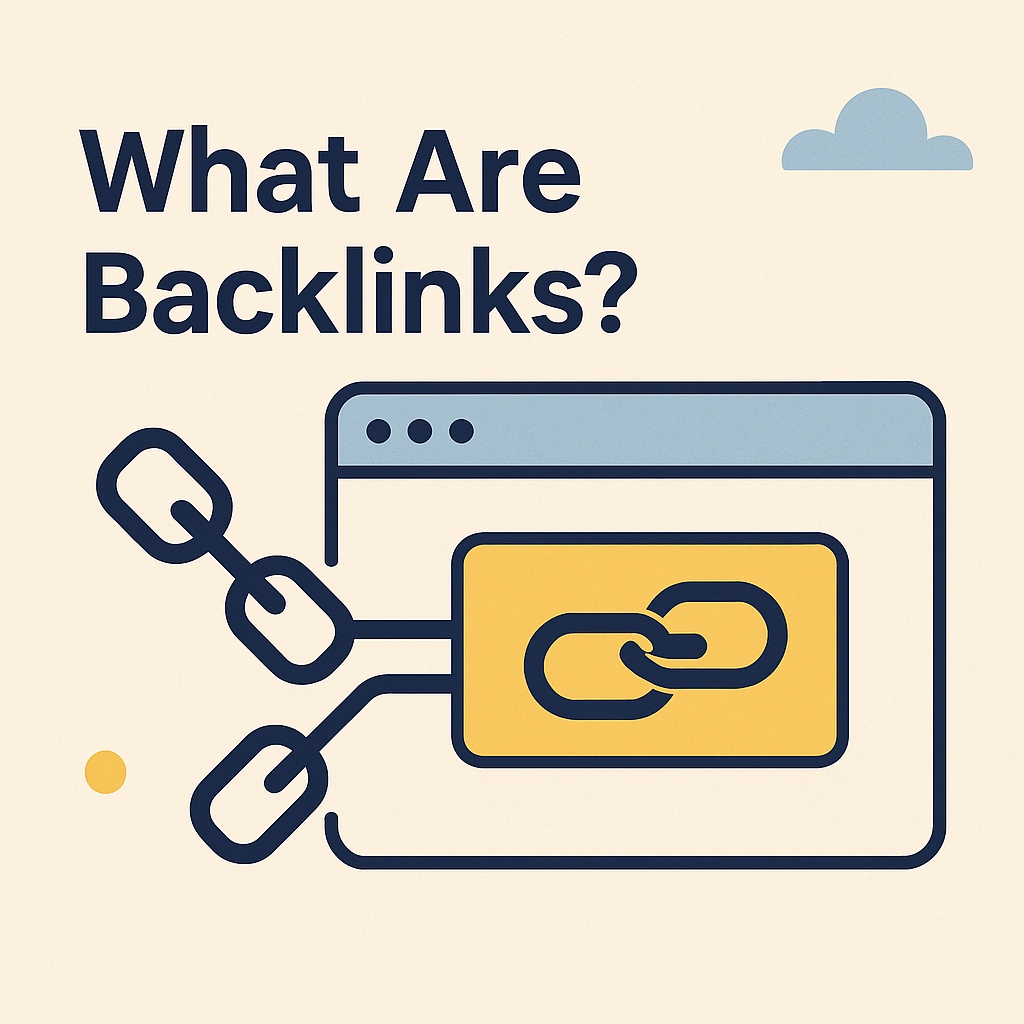
A backlink is simply a link from one website to another.
- If another website links to your site, that link is a backlink for you.
- If you link to another site, you’re giving them a backlink.
Think of backlinks as digital “recommendations.” When a reputable website links to yours, Google sees it as a vote of confidence. The more trustworthy votes you have, the more likely you are to appear higher in search results.
Why Are Backlinks Important?
Backlinks help search engines understand three major things:
1. Your website’s authority
High-authority sites linking to you make your website look more trustworthy.
Example: A link from the NHS, Gov.uk, the BBC, or a respected industry blog is a huge trust signal.
2. How relevant your content is
If a craft website links to your crochet tutorial, Google understands your content is genuinely useful within that specific topic.
3. How people discover your site
Backlinks bring referral traffic—people click the link and land on your site directly. Great backlinks support both SEO and marketing.
All Backlinks Are Not Equal
It’s not about getting lots of backlinks—it’s about getting the right kind. Here’s what separates a great backlink from a risky one:
Good backlinks come from:
- Relevant websites in your field
- Trusted websites with strong reputations
- Original, useful content
- Genuine partnerships or features
- Articles where your business naturally fits
Risky backlinks include:
- “Buy 1,000 links for £10” spam
- Low-quality directory lists
- Websites with no relevance to your industry
- Hacked links
- Paid links disguised as “guest posts” with no transparency
Bad backlinks can actually damage your SEO, so quality always wins over quantity.
Three Types of Backlinks You Should Know
1. Editorial Backlinks
These are the gold standard—links you earn naturally because someone found your content helpful.
Example: A recipe blogger links to your cookware shop because they used your pan in a tutorial.
2. Resource or Reference Links
These appear on “useful links” pages, guides, or directories that are curated and trustworthy.
Example: A disability support organisation linking to your accessible service directory.
3. Guest Post Backlinks
You write an article for another website and include a link to your own site.
These are great when done properly—educational, transparent, and valuable.
How to Build Better Backlinks (Without Being Spammy)
Here are ethical, effective ways businesses can earn backlinks:
- Create great content: Blogs, guides, reviews, templates—anything genuinely helpful. People link to content that answers questions clearly.
- Build partnerships: Collaborations, community projects, podcasts, or interviews can naturally include backlinks.
- Share data or lived-experience insights: Original statistics, case studies, or personal expertise are link magnets.
- Optimise your business listings: Google Business Profile, LinkedIn, local business directories, and charities you work with.
- Pitch your expertise: Journalists often look for expert quotes. Services like HARO or ResponseSource are perfect for this.
What Makes a Backlink “Accessible”?
Accessibility matters in SEO too. When linking to or from another site, ensure:
- The linked text clearly describes where the link goes.
- Avoid “click here”—use meaningful text (e.g., “Read our accessible website guide”).
- Images used as links must have descriptive alt text.
- Buttons should be keyboard-friendly.
- Colour contrast must be readable.
Accessible backlinks build trust with both people and search engines.
Do You Need Backlinks to Rank?
Short answer: Yes—eventually.
Google can rank brand-new sites without backlinks, but long term, backlinks are essential if you want to:
- Outrank competitors
- Be seen as trustworthy
- Grow your organic traffic
- Build long-term authority
Backlinks are one of Google’s top three ranking factors.
Simple Steps You Can Take Today
Here are some quick wins:
- Interlink your content: Add internal links between your own pages.
- Update your profiles: Check your LinkedIn, Instagram bio link, and email signature.
- Go local: Join reputable local business directories.
- Be consistent: Publish one helpful blog post a month.
- Leverage success: Share case studies or testimonials with partners (many will link back).
Small habits create powerful results over time.
Final Thoughts
Backlinks aren’t about gaming the system—they’re about building real relationships, sharing useful information, and proving your website deserves to be trusted.
When your content is clear, accessible, and genuinely valuable, good backlinks naturally grow.
If you want help building a stronger, more ethical SEO strategy, we’d love to support you.